Juliett Bravo Kilo
Member
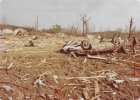
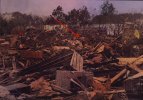
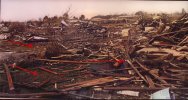
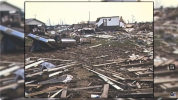
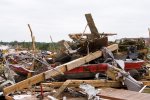
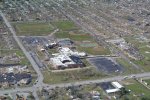
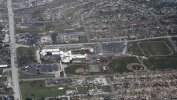
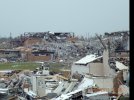
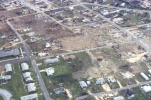
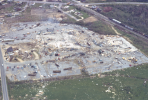
I think it's happened lots with Dixie's strongest tornadoes, there's lots of older outbreaks where you read about trenches and the like being dug, of course no photographs. One of the issues I think is that Dixie tornadoes are typically fast moving, so the cores don't have as much room to leave ground scouring, and when they do it's narrow, patchy and likely not recognized by most photographers.Not doubting you, but can you cite other examples? It seems to me that if it was that easy to occur, we'd have seen plenty of it in Dixie alley's strong tornadoes, and I haven't seen that. This clay does tend to form layers, and when dry clumps or chunks separated by cracks, so those would dislodge similarly but layers underneath those would be more homogeneous and stronger.
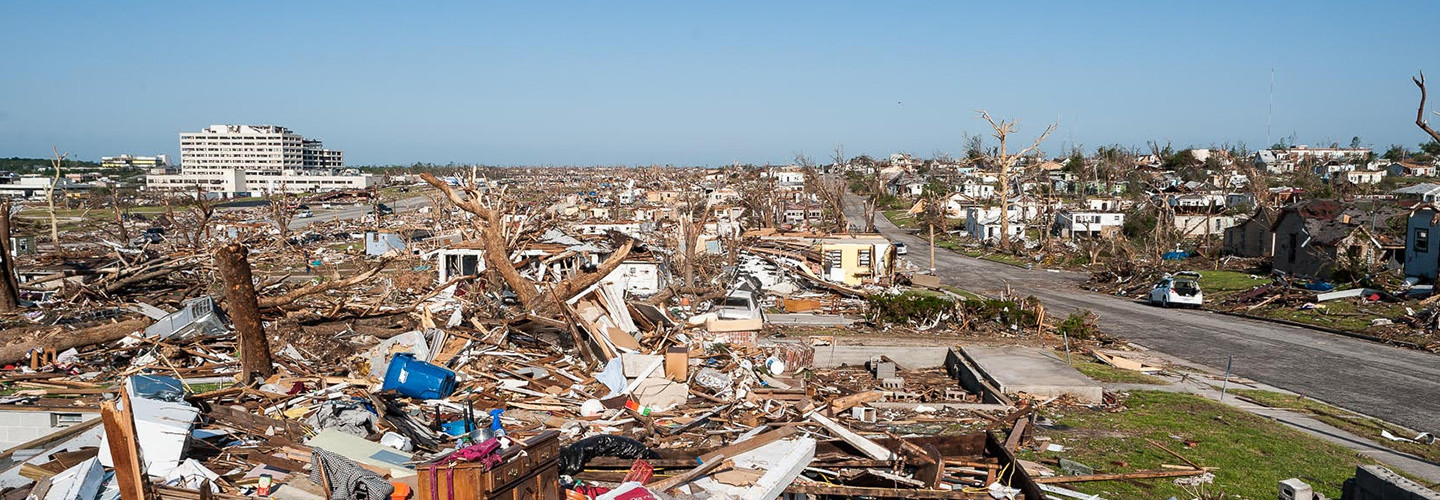
The wall damage in Joplin is impressive, and yes there was was a house on a street corner in the Hackleburg tornado where the exposed concrete 'walk out' basement wall was similarly destroyed. If my memory serves me correctly, that one was pushed outward and the remains flung dozens of yards away mostly as a whole. That was some of the most impressive damage from that tornado to me.
In terms of other examples, have you seen of my Guin posts? They kind of show how little craters/patches of scouring in spots. I'll go back and dig some stuff up for you in a bit.
Another factor is that the soil in southern outbreaks likely is softened up by heavy rain and melted snow beforehand, as Dixie outbreaks often occur in the early spring.