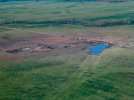
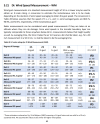
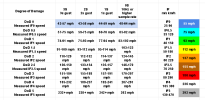
No as far as I know, but direct wind measurement with damage nearby for reference was extremely rare. There was no infrastructure structure near El Reno and Spalding's case but I can think of two better case with houses near wind measurement.not sure why i suddenly have this in my head but...
has there ever been any evidence of a tornado got a di rated (number) mph but had a wind measurement that showed it was infact weaker?
cause there's so much case of they measured winds being much stronger then what the damage was ...
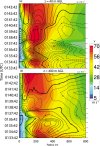
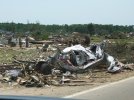
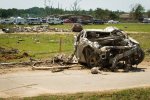
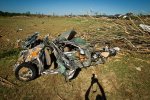
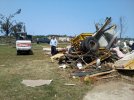
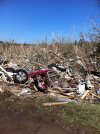
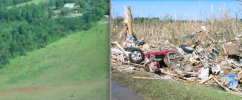
the el reno 2011 mesonet wind of 150 mph ... was only in a EF0 damage area....
the dominator that was hit by that one EF1 rated wedge (there was a di beside the dominator a high end ef1 rating of a pole leading to the side) however the wind speeds were in the EF3 range in that spot 140-160 mph
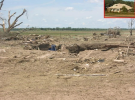
One was the first Manitou Beach F4 tornado. There's claim that F2 damage was nearby the 151mph wind measurement place but I've never seen the damage picture.
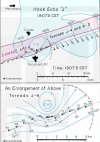
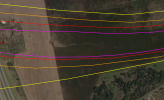
Another interesting case was Geary OK tornado on May 30 2004. DOW team wasn't directly into the tornado but they were into the outer circulation which had even stronger winds than the tornado itself. Peak winds of 93m/s was recorded at higher altitude and roughly 80-90m/s closer to the ground level. The height of those winds was around 10m which accord with the definition of EF scale wind altitude. The 3s wind calculated to be 70-75m/s near this height and with F2 house damage nearby. Note that these's were raw velocity of radar which still could be lower than the actual winds.

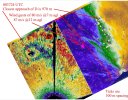
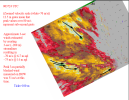
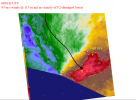
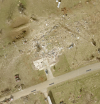
Speaking DOW, there was one particular tornado that had relative unimpressive winds compared to the damage it did which was Harper tornado 2004. The peak ground relative winds from radar was "only" 210mph at around 25-30AGL. Considering the 25m gate spacing, three seconds wind here would be lower than 200mph though we have literary no idea of winds below radar lowest scan level.