iujkiaweatherman
Member
hey fellas. unfortunately i never found any new media from june 7, 1993. never got a response on facebook from anyone
Follow along with the video below to see how to install our site as a web app on your home screen.
Note: This feature may not be available in some browsers.

Oh sorryhey fellas. unfortunately i never found any new media from june 7, 1993. never got a response on facebook from anyone

View attachment 52378
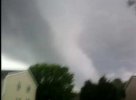
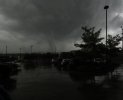
Oxford, MS EF3 (4/27/2011)
View attachment 52379
Hackleburg storm
View attachment 52380
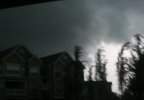
Hackleburg
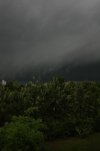
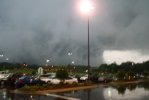
Hackleburg has always had that sinister look to it, especially with how dark it got as it moved northeast. The LCLs almost legitimately scraping the ground in some images of it.View attachment 52381
HPC (again)
Actually, this doesn’t appear to be HPC and is possibly an undocumented tornado somewhere in the metro that afternoon.One more HPC
View attachment 52382
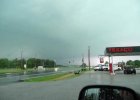
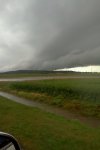
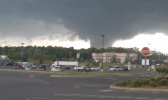
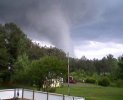
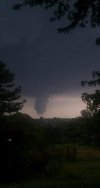

Cordova is the one I’ve been looking hardest into:You're an absolute wizard for finding all of these niche images @Central Ohio Wx . Cullman was one of the less photographed tornadoes during its peak intensity compared to other 4/27 storms, and the top one you've got there looks to be after it left the city and wedged out. Definitely one of the more overlooked tornadoes from that day. Looks like Tuscaloosa in that image.
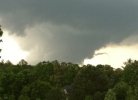
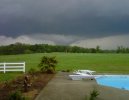
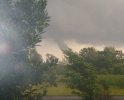
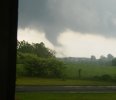


That first photo of Cullman was in fact not after it wedged out - here's a clip from nearly the same spot:You're an absolute wizard for finding all of these niche images @Central Ohio Wx . Cullman was one of the less photographed tornadoes during its peak intensity compared to other 4/27 storms, and the top one you've got there looks to be after it left the city and wedged out. Definitely one of the more overlooked tornadoes from that day. Looks like Tuscaloosa in that image.
Love these. Great finds. Definition of a shapeshifter.Cordova is the one I’ve been looking hardest into:
View attachment 52543
View attachment 52544
View attachment 52545
View attachment 52546
Nick Krasz found that the Parkersburg tornado actually cycled two times and was not in fact a single tornado for 43 miles. Instead, two cycles occurred which he personally rated EF2. I'm not surprised at this as I always found it unusual how the tornado wedged out at its max while it weakened and didn't understand how it was larger than when it was EF5.
This really just does prove how even if documentation is better than it was 50 years ago that there's probably many tornadoes that haven't actually tracked what we think they did. Excellent work, @NickKrasz_Wx!
(@ColdFront introduced a tip to view threads like this if you don't have X, i forget what it was but hopefully he can add in here!)
I'm becoming increasingly interested that I might make a few tornado documentaries or at least try to research a few tornadoes further in depth that might not have the best documentation while the period is inactive for severe weather. I don't know what tornadoes I might do but might be some lesser known violent tornadoes
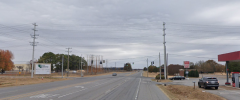
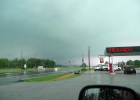
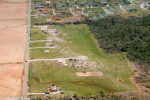
Let me know if there's any specific tornado other than New Harmony or Lake Martin (both are generally accepted to be almost completely undocumented, with both having only one confirmed photo) you'd like me to look into and I'd gladly preform some more magic.You're an absolute wizard for finding all of these niche images @Central Ohio Wx . Cullman was one of the less photographed tornadoes during its peak intensity compared to other 4/27 storms, and the top one you've got there looks to be after it left the city and wedged out. Definitely one of the more overlooked tornadoes from that day. Looks like Tuscaloosa in that image.

Have you tried the Great Smokey Mountain EF4 from 4/27/11? IIRC, it was spawned by the Cullman supercell. It was in a remote area, but I’d be interested to see if any nearby communities even got a snapshot of the wall cloud.Let me know if there's any specific tornado other than New Harmony or Lake Martin (both are generally accepted to be almost completely undocumented, with both having only one confirmed photo) you'd like me to look into and I'd gladly preform some more magic.