
My question with this one (given it was embedded within a major derecho) would be how much of this swath was tornado and how much was straight line winds with the MCV that produced the tornado.Tagging @Marshal79344 since this post is inspired by his post on X about this a bit back and figured I'd share it.
On 5/8/2009, a "EF1" struck rural areas near Ellington, MO. Despite the EF1 rating, satellite just a few months later revealed a estimated 1.25 mile wide swath of likely intense tree damage. It is not far off to say EF3-EF4 intensity was reached with this tornado but due to its rating, this is all we can go off on.
Navigation
Install the app
How to install the app on iOS
Follow along with the video below to see how to install our site as a web app on your home screen.
Note: This feature may not be available in some browsers.
More options
-
Welcome to TalkWeather! We see you lurking around TalkWeather! Take the extra step and join us today to view attachments, see less ads and maybe even join the discussion. CLICK TO JOIN TALKWEATHER
You are using an out of date browser. It may not display this or other websites correctly.
You should upgrade or use an alternative browser.
You should upgrade or use an alternative browser.
Significant Tornado Events
- Thread starter locomusic01
- Start date

WeathermanLeprechaun
Member
That is a very fair point! Straight line winds likely did play some part in it, but no doubt still unusually vicious for a embedded tornado if all of that swath is legit tornado and not just SLW/tornado clashing.My question with this one (given it was embedded within a major derecho) would be how much of this swath was tornado and how much was straight line winds with the MCV that produced the tornado.

Eoline
Member
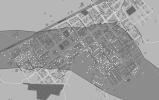
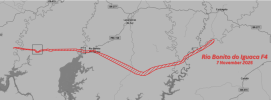
I'm finally getting the hang of QGIS.
Last edited:
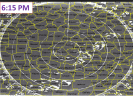
Speaking of 74, here is a radar shot from Nashville at 6:15. You can clearly make out Tanner 1 and 2 supercells. Tanner #1 cell in Madison/Limestone county Alabama with the Tanner #2 cell training right behind it in Lawrence.
You can also see 4 supercells to the north. The two cells around Dekalb and Cannon counties in TN I believe later produced the Fentress and Overton tornados. You can also see a cell moving out of Putnam county TN (possibly the Cookeville F4 will need to check time) and a supercell making its way across Wayne county KY.
I’m working on a project of tying these radar shots to the time the tornados occurred.
You can also see 4 supercells to the north. The two cells around Dekalb and Cannon counties in TN I believe later produced the Fentress and Overton tornados. You can also see a cell moving out of Putnam county TN (possibly the Cookeville F4 will need to check time) and a supercell making its way across Wayne county KY.
I’m working on a project of tying these radar shots to the time the tornados occurred.

AJS
Member
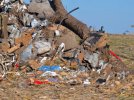
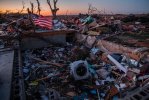
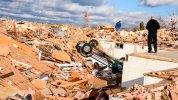
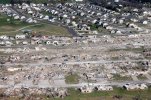
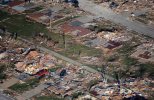
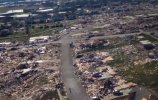
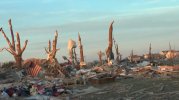
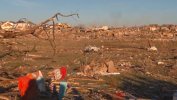
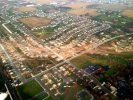
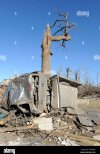
Tomorrow will be the official 13 year anniversary of one of the costliest tornadoes in US history and in my opinion, one of the strongest Fall/Winter time tornadoes of all time. The 2013 Washington, IL tornado!
Some impressive damage photos above showing some extreme vehicle damage, intense debris granulation, copious amounts of homes swept away, and considerable amounts of wind rowing and tree debarking present. While officially rated high end EF4, I have absolutely no doubt that this would’ve gotten an F5 back in the day.

Austin Dawg
Member
View attachment 48561
It's hard to think we'll see anything like this ever again
It has been many years, but I have people who live in Smithville who still talk to me about that day.
It would be really nice if there was more documentation of the 3/21-22/1952 tornado outbreak in the Lower MS Valley than there is, particularly for the Cotton Plant AR, Moscow TN, and Henderson TN tornadoes.
WeathermanLeprechaun
Member
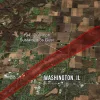
Interesting conclusions from Saltical i seen regarding the Washington EF4, which btw, it is the anniversary of the tornado and the outbreak itself. I wouldn't say this calculation/estimate is far off, from what damage suggested in the Washington area.
Attachments

Western_KS_Wx
Member
Adding to the Washington, IL EF4 discussion, here’s some impressive damage photos I’ve got. This tornado was undoubtedly one of the strongest late-season/winter time tornadoes ever recorded, and certainly an EF5-caliber tornado. First and last photos show trees completely stripped/debarked.
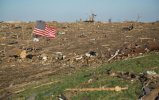
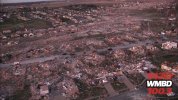
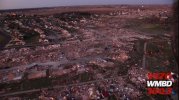
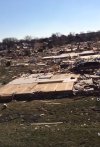
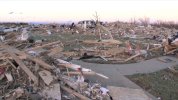
The total-wipeout of entire subdivisions is extremely impressive, and not too far off from the level of destruction in populated areas seen in Moore, Oklahoma that same year.
Considering the sheer number of homes completely swept away I wonder if a few of those were solid EF5-candidates. Some of the homes that still had the sub-flooring remaining may have also fit the criteria for an EF5 rating, though with few up close images it’s difficult to say for sure. Here’s a recent example in a presentation by Jim LaDue that covers homes swept off the sub-floor that could fit the bill for EF5.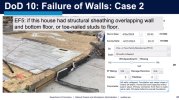
The total-wipeout of entire subdivisions is extremely impressive, and not too far off from the level of destruction in populated areas seen in Moore, Oklahoma that same year.
Considering the sheer number of homes completely swept away I wonder if a few of those were solid EF5-candidates. Some of the homes that still had the sub-flooring remaining may have also fit the criteria for an EF5 rating, though with few up close images it’s difficult to say for sure. Here’s a recent example in a presentation by Jim LaDue that covers homes swept off the sub-floor that could fit the bill for EF5.

Ivanthetornadoenthusiast
Member
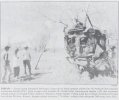
This photo from the April 29th, 1991 Bali Post (Indonesian newspapers) publication shows mangled Mazda RX-7 wrapped around a tree after a violent tornado hit Andover, Kansas on April 26th, 1991

Kds86z
Member
First thing that came to mind when I saw the first pics was Moore/joplin.Adding to the Washington, IL EF4 discussion, here’s some impressive damage photos I’ve got. This tornado was undoubtedly one of the strongest late-season/winter time tornadoes ever recorded, and certainly an EF5-caliber tornado. First and last photos show trees completely stripped/debarked.
View attachment 48679View attachment 48680View attachment 48681
View attachment 48682
View attachment 48683View attachment 48684
The total-wipeout of entire subdivisions is extremely impressive, and not too far off from the level of destruction in populated areas seen in Moore, Oklahoma that same year.
Considering the sheer number of homes completely swept away I wonder if a few of those were solid EF5-candidates. Some of the homes that still had the sub-flooring remaining may have also fit the criteria for an EF5 rating, though with few up close images it’s difficult to say for sure. Here’s a recent example in a presentation by Jim LaDue that covers homes swept off the sub-floor that could fit the bill for EF5.View attachment 48685

SouthFLwx
Member
Yeah, I think with the more progressive attitude towards rating tornado damage, this one should be upgraded to EF5.Adding to the Washington, IL EF4 discussion, here’s some impressive damage photos I’ve got. This tornado was undoubtedly one of the strongest late-season/winter time tornadoes ever recorded, and certainly an EF5-caliber tornado. First and last photos show trees completely stripped/debarked.
View attachment 48679View attachment 48680View attachment 48681
View attachment 48682
View attachment 48683View attachment 48684
The total-wipeout of entire subdivisions is extremely impressive, and not too far off from the level of destruction in populated areas seen in Moore, Oklahoma that same year.
Considering the sheer number of homes completely swept away I wonder if a few of those were solid EF5-candidates. Some of the homes that still had the sub-flooring remaining may have also fit the criteria for an EF5 rating, though with few up close images it’s difficult to say for sure. Here’s a recent example in a presentation by Jim LaDue that covers homes swept off the sub-floor that could fit the bill for EF5.View attachment 48685

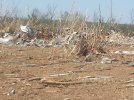
Unrelated to Washington, but check out these photos showing just absurdly violent scouring and vegetation damage from Vilonia. This is what I mean when I say certain damage has “the look”, though this is a particularly extreme example.
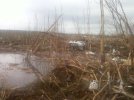
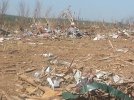
Last edited:
AJS
Member
Jesus christ at that last photo… literally looks like the aftermath of Bridge Creek/Moore 1999.Unrelated to Washington, but check out these photos showing just absurdly violent scouring and vegetation damage from Vilonia. This is what I mean when I say certain damage has “the look”, though this is a particularly extreme example.
View attachment 48699
View attachment 48700
View attachment 48701
It’s not unreasonable to say that Vilonia is hands down one of the most violent tornadoes in US history to be honest. That contextual damage is close to/or as bad as it gets.
Oh, but a couple of trees were left standing next to the houses that were bolted, obviously EF4. /sarcUnrelated to Washington, but check out these photos showing just absurdly violent scouring and vegetation damage from Vilonia. This is what I mean when I say certain damage has “the look”, though this is a particularly extreme example.
View attachment 48699
View attachment 48700
View attachment 48701
On an unrelated note, has Saltical reached out to UIUC about his analysis with cycloidal markings? Their wind engineering lab does quite a bit of work with them.

 ui.adsabs.harvard.edu
Evaluating the Viability of Surface Marks to Estimate Tornado Winds in Rural Areas
Tornadoes cause significant damage, injuries and fatalities worldwide. Tornado-based design for structures was introduced in ASCE 7-22, and design for tornado loading will continue to become more common in tornado prone regions and for certain structures in the United States. One parameter used...
ui.adsabs.harvard.edu

Juliett Bravo Kilo
Member
Jarrel was clearly F3 because the houses weren't bolted down and the foundations weren't spaced properly.Oh, but a couple of trees were left standing next to the houses that were bolted, obviously EF4. /sarc
*Sarcasm*
AJS
Member
This raised my blood pressure even though I know it was purely sarcasm lol.Jarrel was clearly F3 because the houses weren't bolted down and the foundations weren't spaced properly.
*Sarcasm*
Western_KS_Wx
Member
Unrelated to Washington, but check out these photos showing just absurdly violent scouring and vegetation damage from Vilonia. This is what I mean when I say certain damage has “the look”, though this is a particularly extreme example.
View attachment 48699
View attachment 48700
View attachment 48701
Yeah, the vegetation damage this thing caused IMO is the poster-child for what EF5 contextual damage looks like, it’s a shame it wasn’t rated as such. Like you said however, it’s obviously an extreme example that’s seen with only the strongest tornadoes recorded. Not sure if these have been posted before, but here’s some additional extremely violent tree and vegetation damage.
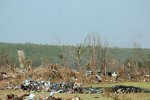
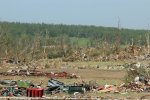
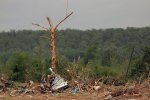
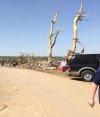
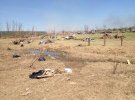
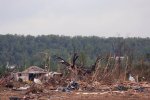
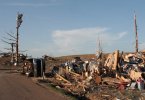
Also a photo from Louisville, MS that occured the day after Vilonia. This one also caused some extreme debarking and ground scouring, no doubt an EF5-strength tornado.
WeathermanLeprechaun
Member
I don't think it's unreasonable to put Vilonia in perhaps up there with some of the most violent ever. The damage caused was nothing short of extraordinary, in practically all aspects.