
N
Not here anymore
Guest
Follow along with the video below to see how to install our site as a web app on your home screen.
Note: This feature may not be available in some browsers.


Dang dude. Good point and info. ThanksAnother note to make, and maybe this is more of an anecdotal statement. There has been very, and I mean very little in the way of mosture hinderance in the Gulf stretching all the way back to last summer. That has greatly improve the content of moisture which would be available for any deep low pressure systems that far south. I really believe were in a compromising and uncommon spot with the Gulf being as warm as it is. My attention has been granted on this event now.
Aka no gulf tropical cyclones @Tanner?Another note to make, and maybe this is more of a anecdotal statement. There has been very, and I mean very little in the way of moisture hinderance in the Gulf stretching all the way back to last summer. Very few tropical systems, and not much retreating of warm air from cold fronts in the Gulf. That has to greatly improve the content of moisture which would be available for any deep low pressure systems that far south. I really believe were in a compromising and uncommon spot with the Gulf being as warm as it is. My attention has been granted on this event now.
I couldn’t agree more. It’s completely anecdotal, but if an event a few days out starts getting “the look”, Fred will usually drop in here for a visit.The ECMWF-AIFS and several other models like the idea of that moisture return. I'm curious what a particular man in Tennessee would have to say about this setup and I'm sure you'd know who I'm talking about

This could mean something for the season as a whole too, this moisture return has been going since probably the week before Christmas and we had nothing to use it. This system has a decent celling should we see instability get to a adequate range here and the 18z GFS is trending to how it was a few days ago. 500 SBCAPE or more al the way up to South central Indiana. You don't get such decent warm sectors like this in January without something going to use it wildly.Another note to make, and maybe this is more of a anecdotal statement. There has been very, and I mean very little in the way of moisture hinderance in the Gulf stretching all the way back to last summer. Very few tropical systems, and not much retreating of warm air from cold fronts in the Gulf. That has to greatly improve the content of moisture which would be available for any deep low pressure systems that far south. I really believe were in a compromising and uncommon spot with the Gulf being as warm as it is. My attention has been granted on this event now.
Yeah, i would be curious if Fred sees the same. He just tells it how it is. This setup isn't going to reveal itself well until the day before or even ofI couldn’t agree more. It’s completely anecdotal, but if an event a few days out starts getting “the look”, Fred will usually drop in here for a visit.
It's always important to watch out for confluence bands in even the sneakiest events. I always used to forecast prefrontals just based off CAMs but then just learned how I could detect potential development.Confluence bands…that’s your biggest indicator right there. Think of March 24, 2023, December 10, 2021, and April 2, 2025. Confluence bands or areas of localized vorticy will greatly improve confidence in an event reaching its ceiling.


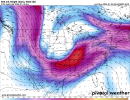
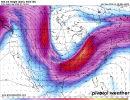
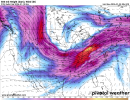
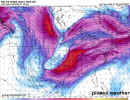

well then isn't that jolly. lets hope it stops uptrendingSome pretty good-looking troughs off the 00Z AI-GFS and Euros. Normal GFS is looking a little funky, though. Normal Euro is pulling more of a negative tilt compared to previous runs. Honestly, surprised things have been trending up consistently for several days.
View attachment 49576View attachment 49577View attachment 49578View attachment 49579
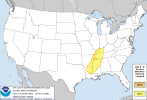
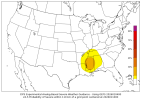
Guess I should come out of the cave. First severe weather event of the year.spc dropped a small 15% contour
View attachment 49601

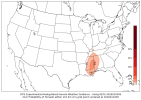
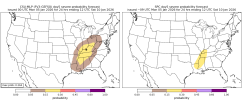
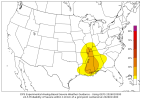
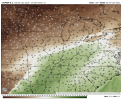
Yeesh, 60s dew points that far north?I think the LR and AI's are trying to tell us something
View attachment 49607
View attachment 49605
View attachment 49603
View attachment 49606
