
N
Not here anymore
Guest
Follow along with the video below to see how to install our site as a web app on your home screen.
Note: This feature may not be available in some browsers.


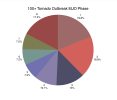
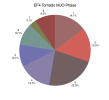
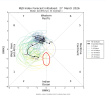
Very interesting. And makes perfect sense given what I'm seeing for April. I'm also planning to do a MJO linkage, but focus more on how many total severe outbreaks/events occur during each phase.

06z put the system slightly south but the difference is it increases its windfield meaning we essentially get the same impacts as the 18z, near 70 mph wind gusts. Really beginning to become concerned overall for impact from this one especially southern coastsGFS 18z introduced this for my area on the 4th. A potentially damaging windstorm with 65-70 mph winds. Intense LLJ above this could mix down stronger. I'm still awaiting trends but safe to say I'm excited if this verifies just from experience, this would not be great in terms of tree damage.
View attachment 52338
This is the LLJ btw. I will try get footage if this signal holds.
How many times a year do y’all deal with these types of events in Ireland/UK?06
06z put the system slightly south but the difference is it increases its windfield meaning we essentially get the same impacts as the 18z, near 70 mph wind gusts. Really beginning to become concerned overall for impact from this one especially southern coasts
May I ask why specifically 2011? There’s been other years that have had quiet Marches and active Aprils…I am trying to remember, wasn't March very quiet in 2011?
Depressions and low pressure systems in general, they happen fairly often, it's just since they first started being named in 2015, people over here think it's got more common. For April, i can't really think of a system over here that brought this type of intensity, but it isn't in anyway historic historic like Eowyn was.How many times a year do y’all deal with these types of events in Ireland/UK?
There are still major caveats and disagreements but I am watching this scenario closely, not to say this is guaranteed in anyway06
06z put the system slightly south but the difference is it increases its windfield meaning we essentially get the same impacts as the 18z, near 70 mph wind gusts. Really beginning to become concerned overall for impact from this one especially southern coasts


Oh wow. Low start to that yearRegarding 2011's tornado activity as it pertains to Alabama:
Before the pattern flipped on 4/15/11 with the Forgotten Outbreak, there were 13 confirmed tornadoes in Alabama.
8 in February (with 5 of those on 2/28/11), 4 in March and one on April 11th.
6 of those were EF0, 5 were EF1 and 2 were EF2.
Not saying this has anything to do with this year, I just like sharing the research.

2025 I would put into the dispersed activity category. 2024 I would put into the backloaded category. Same with seasons like 2013. 2023 was a front loaded year with late season activity in mid June. This year, I dunno, it feels and looks like a 2009 or 2018 type season to me. The only thing that remains to be seen is the higher temperature anomalies in the gulf, which I believe were cooler than normal in 2018.It certainly goes to show just how little correlation there is between early-season activity and late-season activity (or, for that matter, activity throughout the entire year).
Some years have their activity spread out throughout the entire year, some years basivally front-load their activity, some years back-load their activity, some have intermittent bursts, etc., etc., etc. As such, trying to predict how a given year might end up playing out based only on early-year activity/lack thereof is basically a fool's errand.
Thanks for that info, Michelle.Regarding 2011's tornado activity as it pertains to Alabama:
Before the pattern flipped on 4/15/11 with the Forgotten Outbreak, there were 13 confirmed tornadoes in Alabama.
8 in February (with 5 of those on 2/28/11), 4 in March and one on April 11th.
6 of those were EF0, 5 were EF1 and 2 were EF2.
Not saying this has anything to do with this year, I just like sharing the research.

And 2021 was an EXTREMELY backloaded year.2025 I would put into the dispersed activity category. 2024 I would put into the backloaded category. Same with seasons like 2013. 2023 was a front loaded year with late season activity in mid June. This year, I dunno, it feels and looks like a 2009 or 2018 type season to me. The only thing that remains to be seen is the higher temperature anomalies in the gulf, which I believe were cooler than normal in 2018.
Absolutely! I appreciate your work and was not trying to push back against your points at all. I work in data/research so I like to have a “case” before making pointsSince 2011, March (average: 80) has had 9 years of above normal tornado activity (2012, 2016, 2017, 2018, 2019, 2020, 2021, 2022, 2023) and April (average: 182) has had 7 years of above normal tornado activity (2012, 2017, 2018, 2019, 2020, 2022, 2024). 2025 is left out because SPC does not yet have the finalized numbers in on their site.
And I totally get your point @Sharpy. There's so many nowadays who throw in April 2011 just willy-nilly without really looking (by looking I mean simply using it against past years/current pattern overall)

