SaWxRodrigo
Member
The first foreign storm chaser to confirm his presence in South America at the start of spring in the Southern Hemisphere, the time of year when storms and tornadoes typically peak in South America's "Dixie Alley."
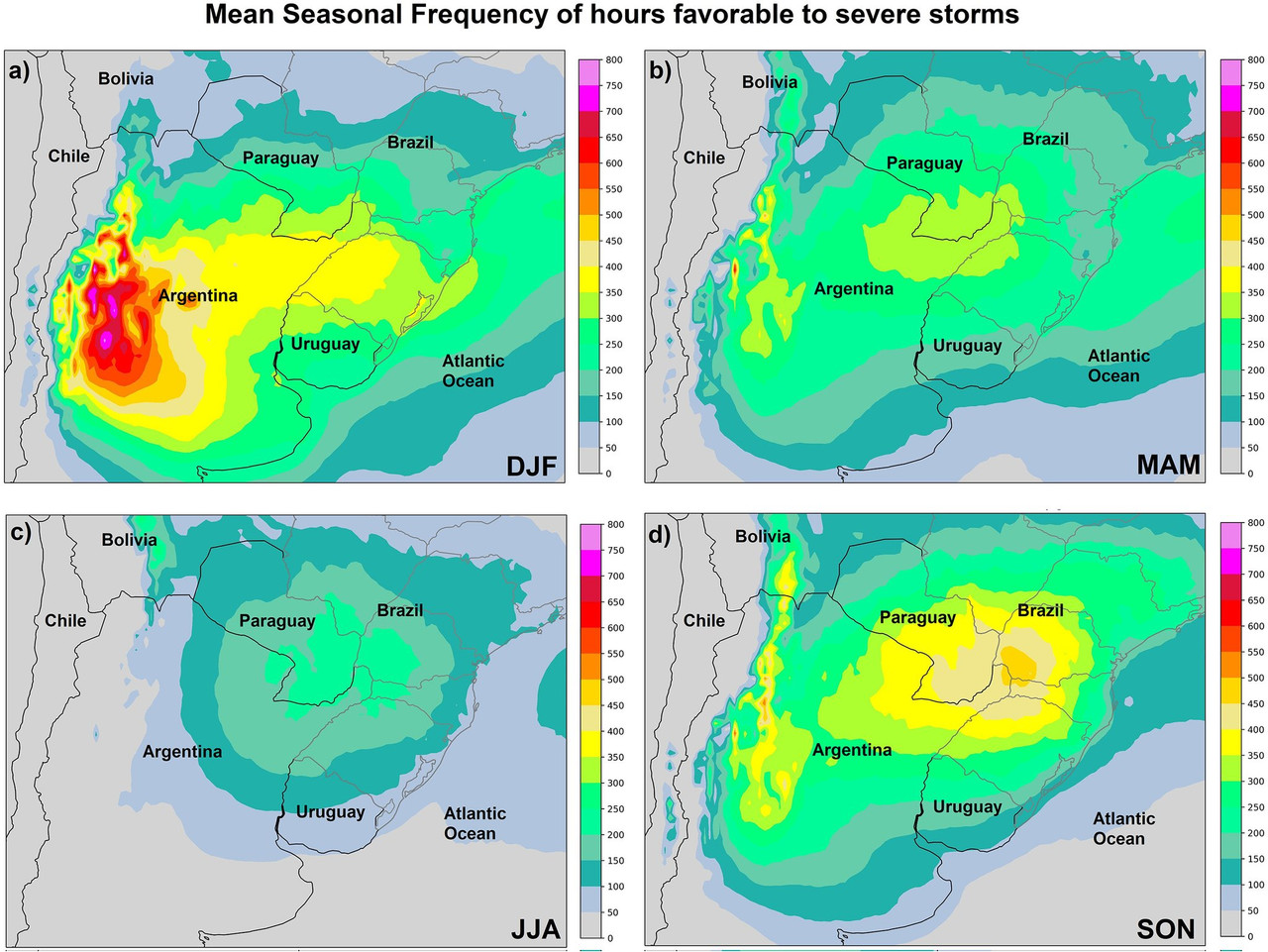
To provide some context, southeastern South America (SESA) has two "hot spots" of severe and tornado activity: one informally known as "SA/South American Dixie" (southern Brazil, southeastern Paraguay, and the Argentine Panhandle), and another also informally known as "SA/South American Tornado Alley" (central-eastern Argentina and Uruguay).
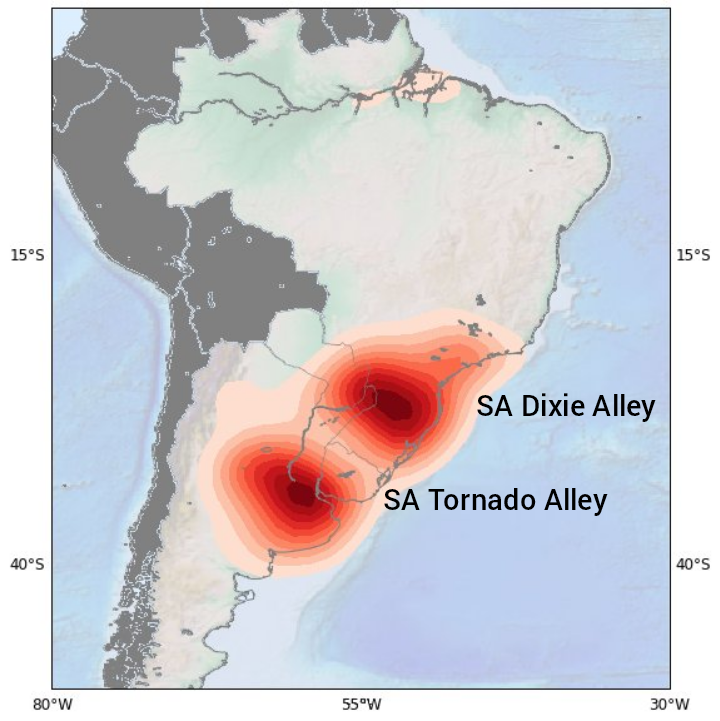
In general, the first one is at its peak (and is now at its peak, as you may have already heard ) between winter and spring (Jun–Oct), while the second one is at its peak between spring and summer (Sep–Jan).
PS: El Niño events contribute to a significant increase in these peaks, not to mention Super El Niño events...
To provide some context, southeastern South America (SESA) has two "hot spots" of severe and tornado activity: one informally known as "SA/South American Dixie" (southern Brazil, southeastern Paraguay, and the Argentine Panhandle), and another also informally known as "SA/South American Tornado Alley" (central-eastern Argentina and Uruguay).
In general, the first one is at its peak (and is now at its peak, as you may have already heard ) between winter and spring (Jun–Oct), while the second one is at its peak between spring and summer (Sep–Jan).
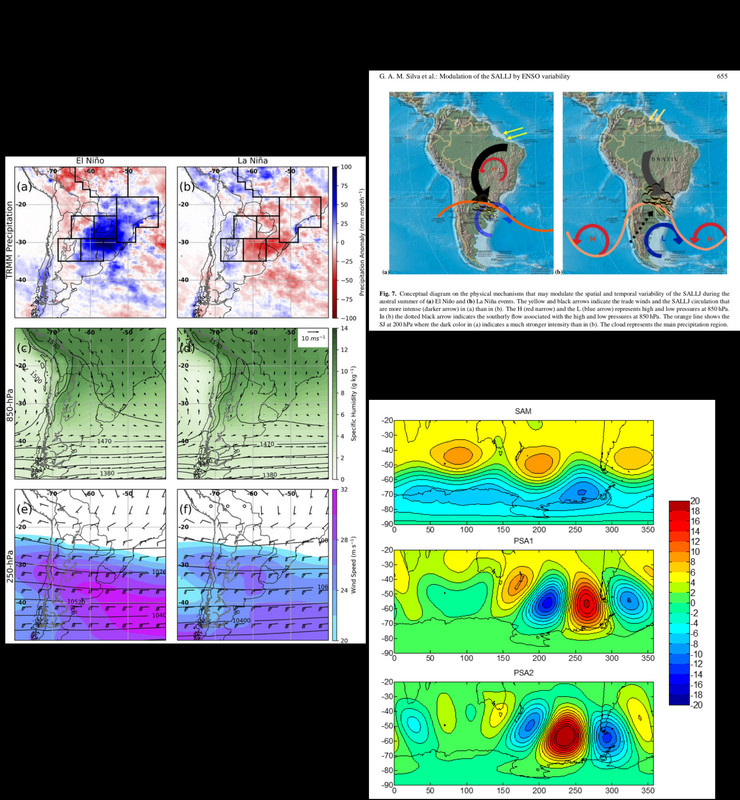
PS: El Niño events contribute to a significant increase in these peaks, not to mention Super El Niño events...
Last edited: