

Navigation
Install the app
How to install the app on iOS
Follow along with the video below to see how to install our site as a web app on your home screen.
Note: This feature may not be available in some browsers.
More options
-
Welcome to TalkWeather! We see you lurking around TalkWeather! Take the extra step and join us today to view attachments, see less ads and maybe even join the discussion. CLICK TO JOIN TALKWEATHER
You are using an out of date browser. It may not display this or other websites correctly.
You should upgrade or use an alternative browser.
You should upgrade or use an alternative browser.
2026 Global Tropical Cyclone Discussion
- Thread starter Atlantic
- Start date
- Thread starter
- #122

Kds86z
Member
- Thread starter
- #124
Here is the current ACE leaderboard for the Southern Hemisphere season, in which the 2025-26 season is in 32nd place since 1983.
1996-97 = 358.4
1991-92 = 318.2
1993-94 = 317.6
2018-19 = 282.9
1988-89 = 269.5
2002-03 = 262.5
2004-05 = 259.5
1997-98 = 258.4
2024-25 = 255.4 (last season)
1995-96 = 235.4
1979-80 = 231.1
2022-23 = 231.0
1992-93 = 227.4
2003-04 = 226.2
1999-2000 = 224.6
1998-99 = 213.2
2015-16 = 209.3
1989-90 = 206.4
2014-15 = 205.2
1984-85 = 202.6
1985-86 = 201.2
2007-08 = 199.8
2020-21 = 199.5
1982-83 = 198.8
2017-18 = 198.8
2009-10 = 198.2
2001-02 = 193.7
2013-14 = 192.0
1983-84 = 190.2
2012-13 = 185.9
2006-07 = 183.7
2025-26 = 169.2 (current)
1994-95 = 167.5
2005-06 = 157.9
2023-24 = 157.3
2019-20 = 155.6
1990-91 = 149.3
2011-12 = 148.3
2021-22 = 146.5
1981-82 = 139.2
1987-88 = 135.8
2000-01 = 129.3
2010-11 = 122.8
1986-87 = 120.7
1996-97 = 358.4
1991-92 = 318.2
1993-94 = 317.6
2018-19 = 282.9
1988-89 = 269.5
2002-03 = 262.5
2004-05 = 259.5
1997-98 = 258.4
2024-25 = 255.4 (last season)
1995-96 = 235.4
1979-80 = 231.1
2022-23 = 231.0
1992-93 = 227.4
2003-04 = 226.2
1999-2000 = 224.6
1998-99 = 213.2
2015-16 = 209.3
1989-90 = 206.4
2014-15 = 205.2
1984-85 = 202.6
1985-86 = 201.2
2007-08 = 199.8
2020-21 = 199.5
1982-83 = 198.8
2017-18 = 198.8
2009-10 = 198.2
2001-02 = 193.7
2013-14 = 192.0
1983-84 = 190.2
2012-13 = 185.9
2006-07 = 183.7
2025-26 = 169.2 (current)
1994-95 = 167.5
2005-06 = 157.9
2023-24 = 157.3
2019-20 = 155.6
1990-91 = 149.3
2011-12 = 148.3
2021-22 = 146.5
1981-82 = 139.2
1987-88 = 135.8
2000-01 = 129.3
2010-11 = 122.8
1986-87 = 120.7
Kds86z
Member
Kds86z
Member
- Thread starter
- #127

JBishopwx
Member
- Thread starter
- #129
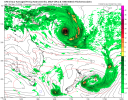
For chances of a Super El Niño to happen later this year, we need strong westerly wind bursts over the Western Pacific to spawn twin cyclones on either side of the equator, because the equator ward outflow of both will enhance the trade winds along the equator and form another more powerful westerly wind burst, which will push more warm waters eastwards. The GFS and EURO models are suggesting such a scenario could happen in early April, with a westerly wind burst triggering twin cyclones on either side of the equator, however, it seems the GFS 18Z run is on crack for the southern hemisphere twin, bringing the pressure down to 893 mb, which at this point in time seems possible, but unlikely, if the models are to be believed and the cyclone even forms at all.
Kds86z
Member
For chances of a Super El Niño to happen later this year, we need strong westerly wind bursts over the Western Pacific to spawn twin cyclones on either side of the equator, because the equator ward outflow of both will enhance the trade winds along the equator and form another more powerful westerly wind burst, which will push more warm waters eastwards. The GFS and EURO models are suggesting such a scenario could happen in early April, with a westerly wind burst triggering twin cyclones on either side of the equator, however, it seems the GFS 18Z run is on crack for the southern hemisphere twin, bringing the pressure down to 893 mb, which at this point in time seems possible, but unlikely, if the models are to be believed and the cyclone even forms at all.
View attachment 52285

- Thread starter
- #131
The 2025-26 Southern Hemisphere Cyclone Season so far:
01S One
02S Awo
03S Blossom
04S Chenge
05S Fina
06P Six
07S Bakung
08P Eight
09S Grant
10S Hayley
11S Iggy
12S Jenna
13P Koji
14S Dudzai
15S Ewetse
16P Sixteen
17S Luana
18P Eighteen
19S Fytia
20S Mitchell
21S Gezani
22S Horacio
23P Urmil
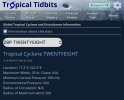
24P Twenty-Four
25S Twenty-Five
26S Twenty-Six
27S Narelle
28P Twenty-Eight
01S One
02S Awo
03S Blossom
04S Chenge
05S Fina
06P Six
07S Bakung
08P Eight
09S Grant
10S Hayley
11S Iggy
12S Jenna
13P Koji
14S Dudzai
15S Ewetse
16P Sixteen
17S Luana
18P Eighteen
19S Fytia
20S Mitchell
21S Gezani
22S Horacio
23P Urmil
24P Twenty-Four
25S Twenty-Five
26S Twenty-Six
27S Narelle
28P Twenty-Eight
- Thread starter
- #132
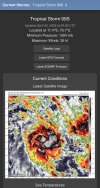
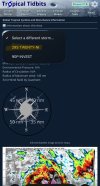
As of the 00Z April 2nd ATCF update, Invest 99S (Tropical Depression 13 by Meteo-France) has now gained 35-kt winds, which is 40 mph.
Expect the JTWC to initiate advisories on Tropical Cyclone 29S here soon.
Next name in the SWIO is Indusa.
Expect the JTWC to initiate advisories on Tropical Cyclone 29S here soon.
Next name in the SWIO is Indusa.
- Thread starter
- #133
Tropical Cyclone 29S forms in the South West Indian Ocean. The next name here is Indusa.As of the 00Z April 2nd ATCF update, Invest 99S (Tropical Depression 13 by Meteo-France) has now gained 35-kt winds, which is 40 mph.
Expect the JTWC to initiate advisories on Tropical Cyclone 29S here soon.
Next name in the SWIO is Indusa.
View attachment 52428
- Thread starter
- #134
Tropical Cyclone 29S was upgraded by Meteo-France from Tropical Depression 13 to Moderate Tropical Storm Indusa overnight. The JTWC expects an 85 kt (100 mph) peak, but doesn’t rule out a higher peak between forecast points.Tropical Cyclone 29S forms in the South West Indian Ocean. The next name here is Indusa.
View attachment 52431
Kds86z
Member
- Thread starter
- #136
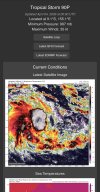
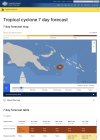
Invest 90P has reached 35 kts (40 mph) as of the 00Z April 4th ATCF update, and the JTWC will likely call it Tropical Cyclone 30P here soon.
90P (also known as Tropical Low 37U) is entering the Port Moresby area of the Australian Region, which hasn’t seen a storm be named by Port Moresby since Tropical Cyclone Guba in 2007, almost 18 years ago. Port Moresby assigns the names randomly, not in order, and after the first use, the name is automatically retired.
90P (also known as Tropical Low 37U) is entering the Port Moresby area of the Australian Region, which hasn’t seen a storm be named by Port Moresby since Tropical Cyclone Guba in 2007, almost 18 years ago. Port Moresby assigns the names randomly, not in order, and after the first use, the name is automatically retired.
- Thread starter
- #137
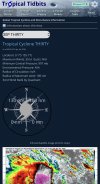
Tropical Cyclone 30P (Thirty) forms in the Australian Region, marking the second season in a row that the JTWC has issued warnings on 30 or more tropical cyclones, after the 32 tropical cyclones of the 2024-25 season.Invest 90P has reached 35 kts (40 mph) as of the 00Z April 4th ATCF update, and the JTWC will likely call it Tropical Cyclone 30P here soon.
90P (also known as Tropical Low 37U) is entering the Port Moresby area of the Australian Region, which hasn’t seen a storm be named by Port Moresby since Tropical Cyclone Guba in 2007, almost 18 years ago. Port Moresby assigns the names randomly, not in order, and after the first use, the name is automatically retired.
View attachment 52497
View attachment 52498
- Thread starter
- #138
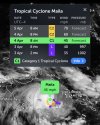
For the first time in nearly 19 years, TCWC Port Moresby names a tropical cyclone in their area of responsibility in the Australian Region:Tropical Cyclone 30P (Thirty) forms in the Australian Region, marking the second season in a row that the JTWC has issued warnings on 30 or more tropical cyclones, after the 32 tropical cyclones of the 2024-25 season.
View attachment 52505
Tropical Cyclone Maila
Kds86z
Member
- Thread starter
- #140
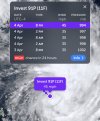
Invest 91P (also known as Tropical Disturbance 11F by Fiji) has passed the 35 kt (40 mph) mark as of the 00Z April 5th ATCF update, with an intensity of 40 kts (45 mph), so expect the JTWC to upgrade Invest 91P to Tropical Cyclone 31P here soon.
The next name in the SPAC is Vaianu.
The next name in the SPAC is Vaianu.